5 Questions for Rian Johnson about the Christian Themes in ‘Wake Up Dead Man: A Knives Out Mystery’
Movies

Audio By Carbonatix
By Michael Foust, Movies
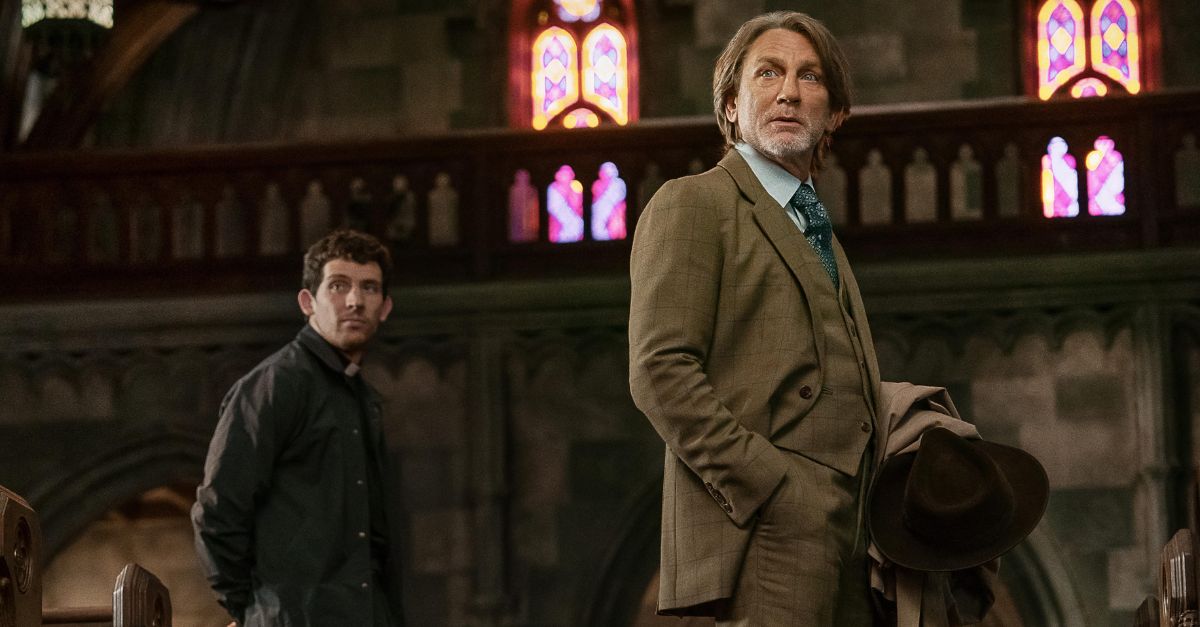
This is your third Knives Out movie. Why set this one in a church?
I grew up very, very Christian. [Of course,] the movie is set in the Catholic church. I didn't grow up Catholic. I grew up Protestant, evangelical. I was really – through my childhood, my teenage years, into my early 20s – my relationship with Christ was how I framed the world around me. And I was a youth group kid, basically. And I'm not a Christian anymore, and so I have a lot of complicated feelings about it, and the challenge of: Can we have kind of a multi-faceted conversation about different aspects of faith, and do it in the context of a big fun Benoit Blanc mystery? That seemed like a real challenge, that seemed like the starting point for it.
Photo Credit: ©Netflix
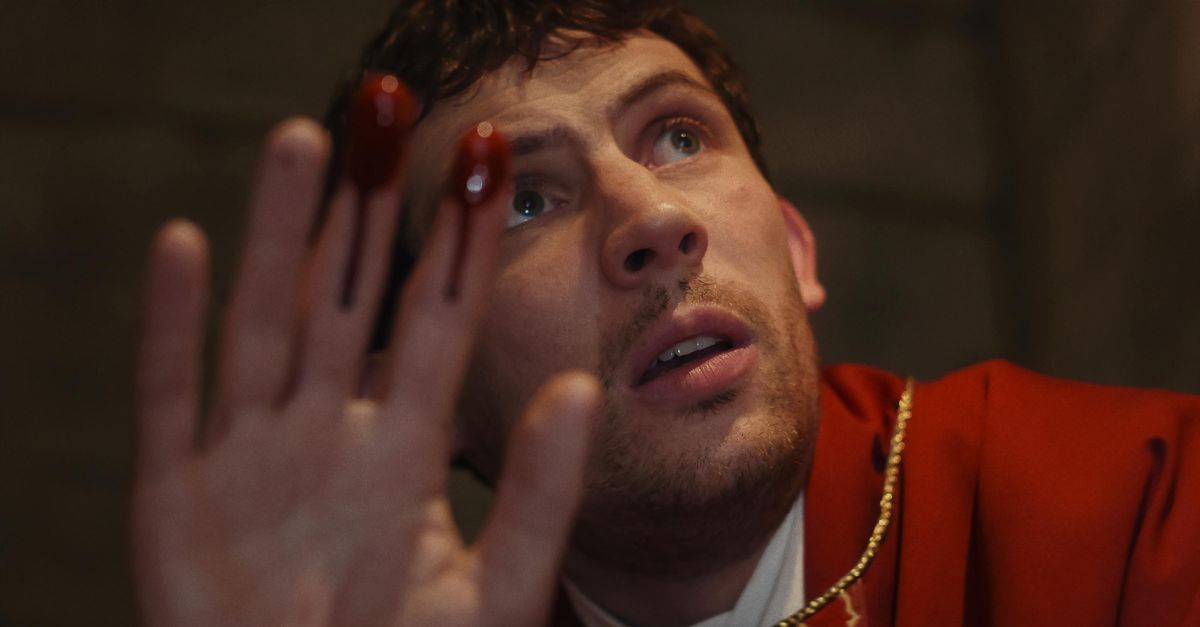
Detective Benoit Blanc is a skeptic. I have read that you considered this film kind of therapy, because you personally identify with him, even though, as you said, you previously identified with Father Jud, a man of faith in the film. What do you mean by therapy?
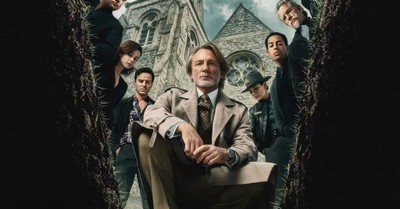
There's a scene in the movie where Blanc enters and he and Jud have a conversation in the church. Father Jud – played by Josh O'Connor – a good-hearted priest, genuinely trying to bring Christ's love to the world. Blanc, very much a cynic about the church, and very much an atheist. And they meet in the church, and they have a conversation, and they both kind of lay it on the table, and Blanc kind of goes hard at the church, and then Jud responds in kind of a generous way, a way that answers back to what he's saying. And the reality is, it's not that I identify with Blanc or one or the other – it's that I have both of them inside me all the time. And I think that's true with all of us. I know that was true of me when I was a believer, also. There's always the belief and the disbelief – they are always kind of in dialogue and back and forth to some degree. I'm in my 50s, and I haven't considered myself a Christian now for several decades, and I still absolutely have those two things, those two voices, inside me. And I think that was the only way I would ever want to kind of like approach talking about faith and Christianity in a movie is because I know I have both of those sides inside me. If I just identified with one or the other, then that means the other side would become kind of a straw man, and it could lead to kind of a caricature.
Photo Credit: ©Netflix
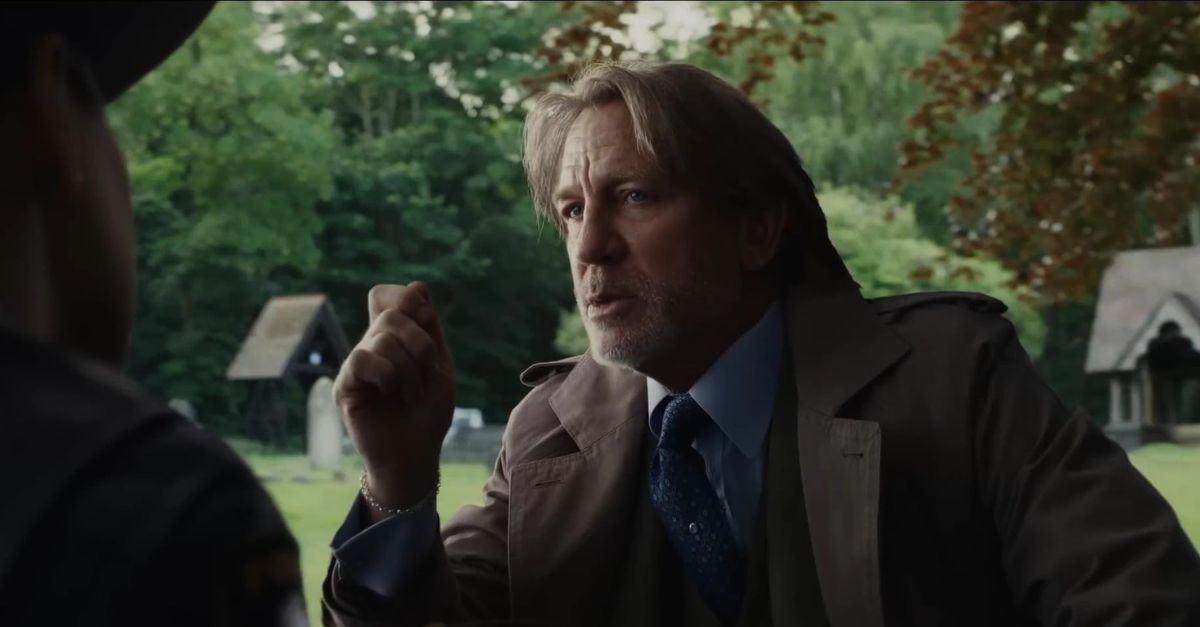
Was it important to you that Father Jud and Benoit Blanc learn from each other at the end, that they sort of are a model for civility for our culture?
That was incredibly important, and having learned from each other that they’re both still on opposite sides of that fence – that they're both at the end of the movie, spoiler alert, Blanc doesn't have a conversion, and Jud doesn't leave his faith. But they have both learned incredibly valuable things from each other. They had both changed and grown because of their relationship with each other, and they're both close to each other at the end. Seeing that at the end, to me, I mean, you talk about therapy – in 2025, to see two people who are on the opposite ends of anything having formed a relationship that has a genuine human warmth to it at the end. I mean, that felt really, really good.
Photo Credit: ©Netflix
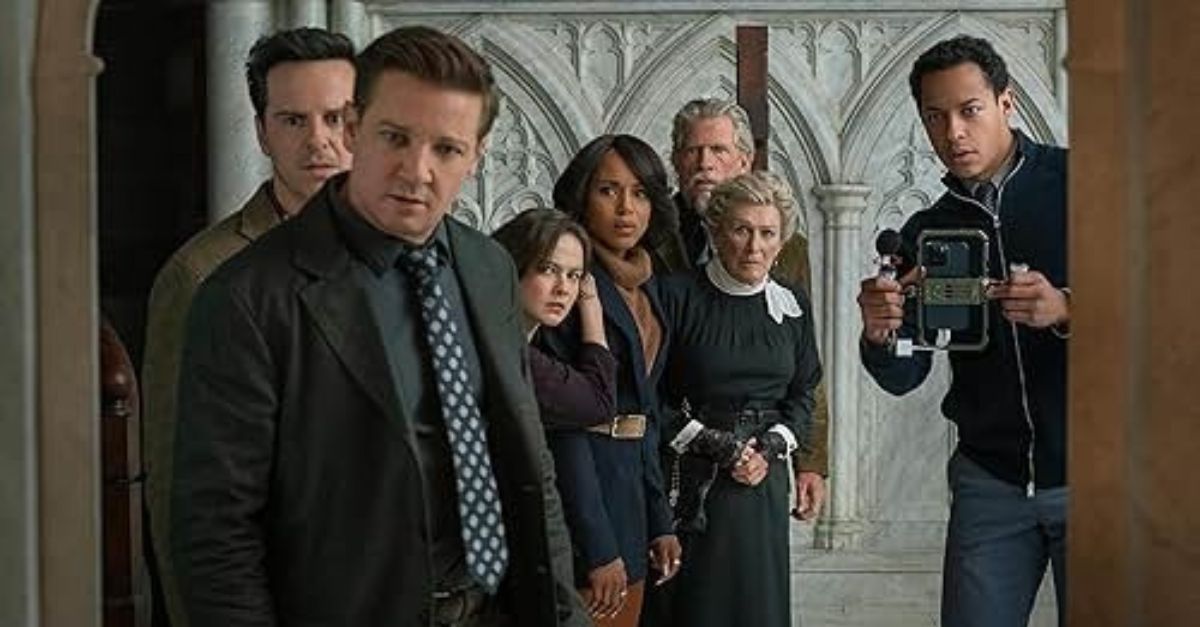
Were you confident that you could write about the church and not use stereotypes?
Yeah, there was hesitancy. There was fear. There was all of that. And I think it's good that I had that. If I had been 100 percent confident, that would be probably a red flag. I think you have to come into it with a certain amount of humility. … There's the puzzle of the mystery, and there's all the humor and there's all the fun stuff – but to me, most of the elbow grease went into trying to construct a movie that felt like it was generous in spirit, and felt like it wasn't just finger waggy. … And at the same time, it’s not toothless, and it has a point of view, and it does delve into stuff. I didn't want to feel like it was just tiptoeing around, trying to not offend anybody, because that would be equally as boring. … But again, the basic approach to it was just to draw from my personal experience. That’s what it all comes to.
Is there going to be another Knives Out movie after this one?
I hope so. I'm writing something next that's not a Benoit Blanc mystery. Just because I've done three of them in a row, I figure I'll do something different next. But it's not because I'm burned out of making them. If anything, after this movie, I feel energized. And I feel like, if I can get a topic that is this personal to me and this complicated, if it can work it in a Benoit Blanc mystery, it makes me excited.
Photo Credit: ©Netflix